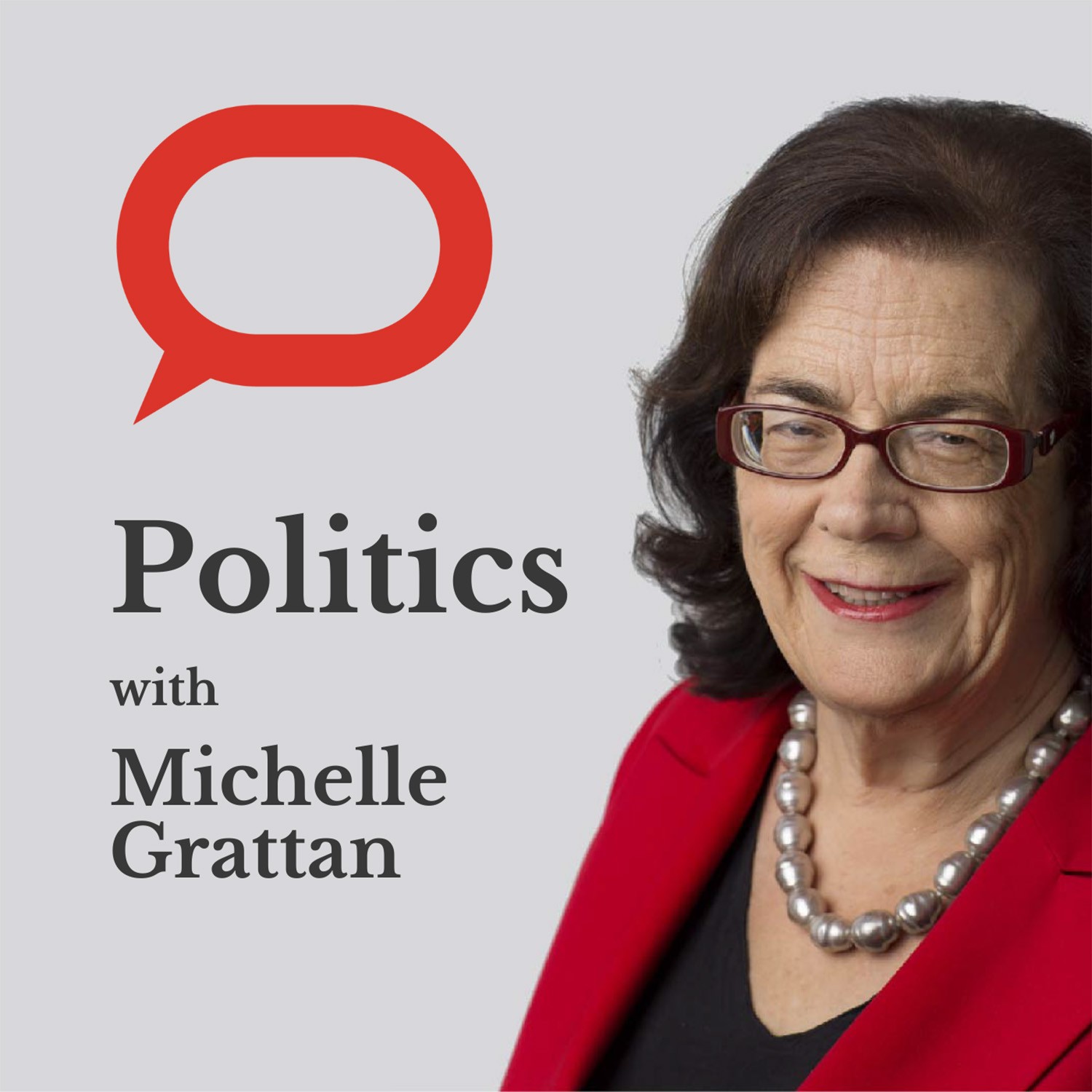
Michelle Grattan, Chief Political Correspondent at The Conversation, talks politics with politicians and experts, from Capital Hill.
Episodes
Jul 29, 2017
Jul 29, 2017
22 min
Malcolm Turnbull, perhaps Australia’s best-known republican, declared himself “an Elizabethan” during his recent visit to London. Turnbull insists the quest for an Australian republic is on the backburner until Queen Elizabeth’s reign ends.
But Bill Shorten is pushing for an earlier timetable, as is the Australian Republic Movement (ARM). The ARM’s national director, Michael Cooney, argues that becoming a republic would give Australians, who are facing a political system that is breaking if not broken, important new symbols of national unity.
The road to a possible Australian republic has steep obstacles. One is getting an appropriate model. Cooney admits that even within the ARM there are differences over whether the president of an Australian republic should be directly elected or chosen by parliament.
Another challenge is that the younger royals have given the Crown a rather more modern image. But Cooney is confident that when it comes to making decisions about Australia’s head of state, the public will make judgements on the substance. “Australians know the difference between celebrities and the Constitution,” he says.
Jul 19, 2017
Jul 19, 2017
20 min
The new home affairs super ministry announced by Malcolm Turnbull on Tuesday is considered by some experts to be unnecessary and potentially dangerous.
Director of the Australian Strategic Policy Institute (ASPI) Peter Jennings, says that while the department would present an array of bureaucratic challenges it is largely a “sensible step”.
Likely benefits include the potential for a much needed improvement to Australia’s ability to address cybersecurity issues and foreign interference. But he says success will depend on how effectively the ministers can work together.
Jennings notes that the “absence of obvious process” behind the announcement of the home affairs department - unlike the “carefully worded, well-researched” Intelligence review - means that the details of the roll-out are unclear.
Jul 14, 2017
Jul 14, 2017
27 min
Many Australians are worried about the proliferation of data businesses and the government knowing too much about them.
Data Governance Australia chairman Graeme Samuel hopes that a self-regulatory code of conduct will raise the standards among data-driven organisations. Despite the pervasiveness of data in our daily lives, he argues most people don’t understand the extent to which organisations use it.
As a former regulator, Samuel regards government regulation of data as “second-best” and is “there to step in when there is market failure”. In drafting the code, he has consulted closely with businesses and the public to try to “anticipate community concerns into the foreseeable future”.
On the government’s My Health Record – which has been rolled out very slowly – he argues the benefits of a centralised system outweigh privacy concerns, although every effort needs to be made to protect the privacy of health records.
While data offers an opportunity for improved safety, trust in processes is paramount. “We need to be careful, of course, that the issue of security in terms of international terrorism and the like is not used as a superficial excuse for the collection of data to be used for other purposes.”
Jul 3, 2017
Jul 3, 2017
17 min
Melbourne-born author Anna Krien’s latest Quarterly Essay explores the debates on climate change policy in Australia and the ecological effects of not acting.
She interviewed farmers, scientists, Indigenous groups, and activists from Bowen to Port Augusta. She says climate change denialism has transformed into “climate change nihilism”.
Krien says the Finkel review provides another opportunity in a long line of proposals to take up the challenge of legislating clean energy. “We just need to get that foot in the door. The door has been flapping in the wind for the past decade.”
On a current frontline battle – the planned Adani Carmichael coalmine – she found the people who would be affected were being ignored and blindsided.
Meanwhile, the potential for exploitation of local Indigenous peoples through “opaque” native title legislation was high. “Outsiders are not meant to understand it and to tell you the truth you get the sense that insiders aren’t meant to understand it either.”